Site marketing is key in today’s business world. Business owners understand visibility is required for a site to drive revenue. Good marketing mixes SEO, content creation, social media, email, and paid campaigns to support growth.
Goals are clear: drive more traffic, generate more sales, and increase profits. Professionals build web marketing San Francisco strategies that perform end-to-end. They also stay current with emerging trends such as AI.
Core tools include Google Analytics and Google Search Console. Along with that, Semrush, Google Ads, Meta Business Manager, and email services like Mailchimp or ActiveCampaign. These help test different marketing methods to see what works best.
At the start, clients share their site details, email, services, and products. These details help plan marketing campaigns. These plans blend ongoing SEO and content with short-term ads and partnerships.
This guide will share twelve helpful strategies. It will also explain the tools you need for a solid online marketing plan.
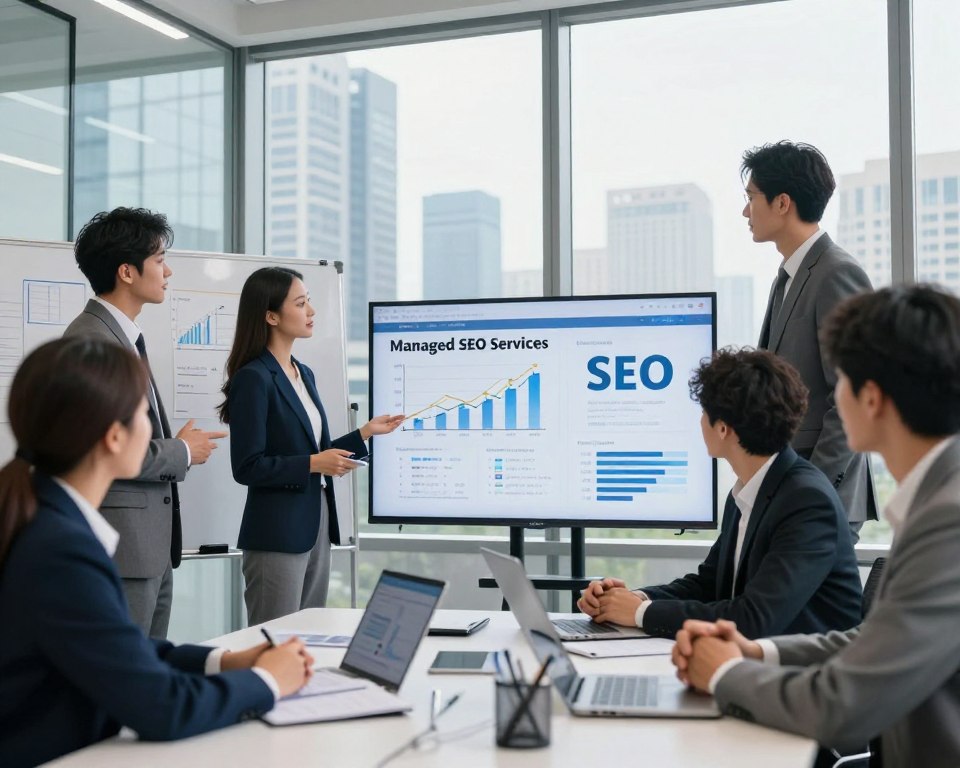
How Website Marketing Supports Business Growth
A website is the place where customers research and purchase. If it isn’t visible, they’re unlikely to find it. When you focus on the right audience, website marketing increases sales and growth outcomes.
Marketing requires working across different channels and stages across the customer journey. Brands like Google and HubSpot show that different messaging is needed for awareness, conversion, and ongoing retention. You should track audience behavior and test different channels to improve results.
The next points unpack how visibility, sustained multichannel activity, and clear metrics combine to drive measurable outcomes.
Why website visibility is non-negotiable
A visible site is essential for any digital strategy. Without organic traffic and referrals, paid ads are less effective. A site needs technical health, relevant content, and keyword alignment to rank in search results.
Marketing as a continuous, multichannel process
Marketing is not a set-and-forget effort. It includes ongoing touchpoints across social, search, email, and paid channels. YouTube and Facebook reach many people, while email helps bring customers back. Consistent messaging across platforms boosts recognition and conversion rates.
Key performance goals: traffic, conversions, revenue
It’s important to track metrics aligned with your business goals. Focus on traffic quality, conversion rates, and revenue per visitor. These metrics show confirm how well retention tactics work.
First, gather baseline data ahead of campaign launches. Use Google Analytics and Search Console to track performance. They help strong SEO decisions and adapting to shifting trends.
Practical strategies aim to improve traffic quality, conversions, and revenue. Effective website marketing combines SEO with channel testing for steady, predictable growth.
Website Marketing Overview
Website marketing combines technical skills with creative thinking to increase visibility and sales. Teams check performance, content, and local presence. They plan with care, combining web development with content and tracking to grow steadily.
On-site SEO and technical optimization
On-site SEO begins with a technical audit. This looks at indexability, URL structure, and how fast the site loads. Typical steps include checking sitemap health, finding crawl errors, and testing mobile views.
Improving speed often starts from caching plugins like WP Rocket and image compression. This reduces load times.
Then, on-page elements are key: meta titles, headings, schema markup, and internal links. These should align with keyword research. Avoiding bad tactics, teams focus on producing pages that serve users. Web development services make sure the CMS and hosting support good SEO.
Content Marketing and Blogging
Content marketing improves visibility by creating useful content like articles and guides. Blogging is a steady traffic source and supports social and email campaigns. Editorial calendars schedule topics that are achievable and have clear business goals.
Tools like Yoast or Rank Math help with on-page signals. They guide metadata and keyword usage. Guest posting and quality backlinks help by improving domain signals and building topical authority.
Local SEO Tactics for Targeted City Campaigns
Local SEO targets citations, reviews, and accurate business listings. Tools like Moz Local help manage these while reducing duplicates. For smaller campaigns, targeting up to three cities makes reporting clearer.
Campaigns often use local pages with city-specific keywords and schema. Blending local SEO with on-site checks and content marketing improves visibility in local search results. Agencies review service pages and URLs at the beginning so audits are accurate.
Organic and Paid Promotion: Social, Email, Ads
Effective promotion mixes organic community building with targeted ad spend. Channels like Facebook, Instagram, TikTok, and LinkedIn build trust and encourage shareable moments. Paid channels boost visibility, while organic efforts compound over time. A balanced mix improves acquisition and customer lifetime value.
Organic Social Strategies
Organic efforts focus on helpful content rather than constant selling. Produce short videos, behind-the-scenes posts, and how-to threads that interest your audience. Use community features such as Facebook Groups and LinkedIn posts to begin conversations and collect feedback.
Align your content with each platform’s style: TikTok and Instagram favour short, visual clips. LinkedIn prioritises professional insights. Distribute blog posts and landing pages on social platforms to encourage website visits.
Email Marketing for Retention & Repeat Traffic
Email remains key for keeping customers engaged. Build your email list using clear sign-up offers like discounts or guides. Segment your email list to send messages that match each subscriber’s interests.
Set up automation for welcome messages, cart reminders, and win-back emails. Experiment with subject lines, send times, and calls to action to improve open and click rates. Use a reliable ESP like Mailchimp, ActiveCampaign, or Omnisend to scale campaigns and track impact.
Paid Search and Paid Social Ads
Paid search helps your site appear at the top of the search results. Use Google Ads campaigns for intent-driven queries and track conversions using UTM tagging. Ensure paid keywords align with your on-site SEO so messaging stays consistent.
Paid social campaigns across Facebook, Instagram, and TikTok let you target specific audiences and test creative ideas. Start small, refine ads, and track cost per acquisition. Digital advertising agencies use client data to refine targeting and bid strategies.
Bring together organic social, email, and paid search for a complete funnel. Use UTM parameters plus analytics to track performance. Use insights to adjust your spend, improve your ads, and get ideas for organic content from paid campaigns.
| Channel | Primary Goal | Best Use | Key Metrics |
|---|---|---|---|
| Organic Social | Brand trust and community | Short videos, groups, and thought leadership | Engagement rate, shares, referral traffic |
| Retention and repeat revenue | Segmentation, automation, and promos | Open rate, CTR, lifetime value (LTV) | |
| Paid Search | Capturing intent and sales | Keyword bidding, responsive ads | CPA, conversion rate, return on ad spend (ROAS) |
| Paid Social | Targeted acquisition | Audience testing, creative variations | CPM, cost per click (CPC), CPA |
| Integrated Mix | Scalable growth | Aligned creatives, UTM tracking, shared KPIs | Attribution, customer acquisition cost (CAC), revenue lift |
Partnerships, Influencers, and Brand Reputation
Strong partnerships help build reach and credibility. They help deliver measurable growth. Publishing guest posts on industry sites drives referral traffic and secures high-quality backlinks.
Press outreach around product launches or milestones can improve visibility. This is true when you target the right trade and local outlets.
Affiliate programs and referral programs turn partners into sales channels. Create commission tiers and clear tracking. This way, partners know what performance earns payout.
With services, referral incentives often work better than pure affiliate marketing. This helps keep your margins safe.
Co-branded campaigns and collaborations with complementary firms unlock shared audiences. They provide instant credibility. Examples like Red Bull and GoPro show how well these collaborations perform.
Influencer marketing brings a more authentic voice to your product story. Choose micro- and nano-influencers to build niche trust. Always require clear contracts and transparent reporting to minimise reputational risk.
Reputation management is key. It relies on timely review solicitation and thoughtful responses. Ask for feedback on Google, Facebook, Yelp, Trustpilot, and G2 after positive interactions.
Public responses should be brief, factual, and resolution-focused. This helps preserve trust and local SEO benefits.
Onboarding for partnership or agency work must list goals. Those goals should include PR, content marketing, and social outreach efforts. Clear briefs let teams target guest posting opportunities and set affiliate marketing tracking.
Plan influencer outreach that supports your brand voice. Prioritize high-quality backlinks, define compensation and KPIs for affiliate programs. Cultivate co-branded activations that fit audience interests.
Continuously monitor sentiment and reviews. This is critical for sustaining reputation management and long-term SEO gains.
Tools, Trends, and Agency Support
A strong toolkit helps you make quick decisions for website marketing. Google Analytics and Search Console provide insights into traffic and search. Semrush helps competitor and keyword research. Moz Local helps manage local citations for better visibility.
Paid media platforms like Google Ads and Meta Business Manager help control budgets. ESPs like Mailchimp and ActiveCampaign handle segmentation and automated flows. HubSpot AI tools automate workflows and improve processes.
AI marketing tools now support optimize content and segment audiences. Many firms quickly adopt AI for headline testing and metadata refinement. These tools integrate well with development support for fast pages and clean SEO.
Omnichannel marketing links touchpoints. Centralised data gives you a clearer view of customers. This makes the buyer journey smoother and improves channel measurement.
When teams don’t have enough time or skills, an agency can help rapidly. Marketing 1on1 provides three SEO packages—Starter, Business, and Ultimate. Starter focuses on low-competition terms. Business targets medium-low competition keywords. Ultimate aims for high-competition keywords and broader strategies.
Starter and Business packages include guaranteed ranking improvements. Every package includes penalty diagnostics and local targeting. Agencies can often do more than small teams with technical audits, content planning, and link acquisition.
Clear intake matters for a successful engagement. Agencies collect your site URL, required services, and product descriptions. This helps choose the right package and campaign mix for SEO goals.
| Tool Category | Representative Tools | Primary Benefit |
|---|---|---|
| Analytics & Search | Google Analytics and Search Console | Traffic insights and search performance tracking |
| SEO and Research | Semrush and Moz Local | Keyword research, competitor analysis, and local citations |
| Paid Media | Google Ads, Meta Business Manager | Campaign control and paid acquisition scaling |
| Email & Automation | Mailchimp, ActiveCampaign, and Constant Contact | Segmentation and automated nurture sequences |
| AI & Optimisation | HubSpot AI tools, content AI platforms | Content testing, personalization, workflow automation |
| Execution and Talent | Fiverr, Upwork, MarketerHire | On-demand specialists for tactical work |
Practical setups bring together analytics, SEO platforms, ESPs, ad managers, and AI tools. This helps ensure ongoing reporting and optimisation. Teams that combine web development services with SEO typically see improved speed and crawlability, which improves organic performance.
Selecting an agency like Marketing 1on1 makes sense for faster scaling or deeper SEO expertise. The right partner accelerates outcomes with audits, targeted keyword programs, and local focus. All without long contracts or sign-up fees.
Conclusion
A website is only the beginning. To really make it work, you need SEO, great content, and social media engagement. You also need email, paid ads, partnerships, and reputation management.
This mix of efforts can turn website visitors into customers. It helps your website grow over time. A well-planned strategy can increase traffic, sales, and lasting success.
Marketing is all about trying different things and seeing what works. It’s important to understand your audience and provide content they find useful. Try out different formats like blogs, videos, and podcasts.
It’s also key to keep up with the latest in internet marketing. By mixing real messages with data-driven tweaks, you can improve your return on investment. This way, your online marketing efforts will pay off.
Before you kick off, make sure you have all the important details. Know your website address, what you offer, and what you want to achieve. These details help you choose the right SEO plan or agency.
If you want fast results in the US, consider partnering with a specialist SEO provider. Select a package that matches your needs and goals. Use tools like Google Analytics and Search Console to measure progress.
Keep improving your content and your paid ads. Maintain your marketing efforts across multiple channels. This way, you’ll get the most out of your website and make more money.
Company Name: Digital Marketing 1on1 SEO
Website: https://www.marketing1on1.com/SEO-company-san-francisco/
Address: 2522 California St, San Francisco, CA 94115
Phone: (818) 538-4805