Imagine a householder detecting sluggish drainage and unusual smells in their garden. These subtle signs often suggest a backed-up septic system demanding service. In homes lacking city sewer access, this underground container is critical for processing household waste.
Click here about septic pumping

Learn more about septic pumping

Supporting source about septic pumping
Regular maintenance of this critical infrastructure prevents serious problems. Appropriate maintenance prevents malfunctions that result in expensive fixes and hazards. Knowing the investment required for this vital service helps homeowners plan efficiently.
The countrywide average for this required upkeep task is about $420. The majority of residents can expect to pay somewhere between $290 and $560 for professional cleaning to their wastewater treatment setup. This preventative investment safeguards against far more costly repairs.
This overview from Septic Services of LA provides concise, expert insights. The guide analyzes the factors influencing your total invoice for this essential property upkeep. Understanding these aspects enables better budgeting and informed decisions regarding your home’s septic care.
Typical Costs For Septic Tank Cleaning
Planning for essential septic system care relies on knowing typical costs. This budgeting strategy helps property owners avoid unexpected costs when booking required service.
National Average And Price Ranges
Nationwide, the average cost for this essential service averages approximately $400. The majority of property owners face fees ranging from $290 and $560 for thorough attention to their underground disposal system.
Regional differences in workforce costs and waste laws can influence this range. Such location-based factors will undergo detailed exploration in the following part.
Service Fees According To Tank Volume
The primary driver of your invoice is the capacity of your residential wastewater system. Professionals often calculate costs on a per-gallon rate, varying from $0.23 to $0.40 for each gallon.
Most single-family homes utilize tanks between 750 and 1,500 gallons. A 1,000-gallon system is standard for a four-person household, while bigger families frequently need a 1,250-gallon unit.
| System Size (Gallons) | Approximate Price Range |
|---|---|
| 750 | $175 – $300 |
| 1,000 | $225 – $400 |
| 1,250 | $275 – $500 |
| 1,500 | $345 – $600 |
| 1,750 | $400 – $700 |
Larger systems require higher upfront fees for the pumping process. Conversely, their bigger size often enables longer intervals separating necessary maintenance visits.
This balance affects long-term budgeting for residents. A expert assessment can pinpoint the ideal schedule for your specific situation.
The invoice from a qualified company like Septic Services of LA includes multiple components. Labor for the skilled technicians, operation of machinery, and safe removal of effluent all make up the final price.
Recognizing these factors enables accurate financial preparation. Homeowners can determine their probable system size and associated price bracket using this information.
Variables Influencing Septic Service Costs
Several elements influence the amount homeowners finally spend for their septic maintenance. Beyond the basic capacity of your tank, several logistical factors directly impact the bill.
Understanding these variables allows for accurate budgeting. It additionally aids when requesting detailed estimates from service providers.
Unit Size Considerations
The volume of your residential wastewater setup are the main price factor. Larger units contain more material, requiring more time and effort to service correctly.
Septic companies usually bill according to the gallons of sludge removed. A standard 1,000-gallon system for a family of four falls within a common price bracket.
Larger tanks, like 1,500 gallons or more, command increased costs. Yet, they often allow for longer intervals separating necessary maintenance visits.
Location And Regional Pricing
Geographic location heavily affects maintenance costs. Regional differences in wages, dumping fees, and general cost of living cause wide disparities.
For example, residents in Minneapolis may encounter costs between $180 to $280. In contrast, the same job in Portland could run from $440 and $750.
Regional supply of qualified technicians and specialized disposal facilities also factors in. Such location-based factors are often non-negotiable and must be included in any budget.
How easy it is for workers to access your tank is a significant cost factor. Clear, above-ground lids ensure a straightforward and quicker job.
Obstructions add time and effort. Hidden covers, landscaping features, patios, or patios can complicate the process.
Frozen ground in winter months poses an additional hurdle. Such accessibility issues usually add $50 to $200 to the standard fee.
An preliminary check can spot potential obstacles. Talking about these with your technician beforehand prevents unexpected fees down the line.
System Health And Past Care
The health of your septic tank upon service arrival significantly impacts the effort needed. A well-maintained unit with regular attention is far simpler and faster to pump.
Neglect results in problems. Missing routine pumping allows sludge and scum layers to solidify.
Removing this solidified waste requires more labor and potentially advanced, high-power equipment. This situation can increase the cost by $100 to $300 to a standard pump-out fee.
Consistent, proactive care is the best strategy for controlling long-term septic costs.
The regularity of past service directly affects current condition and cost. Setting up a routine plan with a reliable provider like Septic Services of LA prevents degradation.
Additional cost factors involve tank style, such as conventional versus aerobic units. Additional services like effluent filter cleaning or diagnostic camera inspections likewise add to the total.
Property owners ought to evaluate these factors prior to seeking quotes. Providing details regarding access, previous pumping, and tank model leads to more accurate estimates.
The Critical Importance Of Regular Pumping
Regarding routine maintenance as an unnecessary expense is a frequent mistake among homeowners with private wastewater systems. This perspective ignores the fundamental role that scheduled servicing plays in preserving a home’s integrity and avoiding major disasters.
The investment in regular care pays dividends well past basic functionality. It is a smart plan to managing a home’s most vital infrastructures.
Avoiding Expensive Breakdowns And Clogs
Lack of maintenance permits waste to accumulate within the tank. Over time, waste layers thicken and solidify, diminishing the room for liquid treatment.
This accumulation eventually reaches the outlet pipe, transporting untreated waste directly into the leach field. The drainage soil consequently gets blocked with biomass, losing its capacity to filter and distribute effluent.
The direct consequences of this breakdown are severe and immediate. Residents may suffer from slow-moving drains all over the home or total clogs in toilets and sinks.
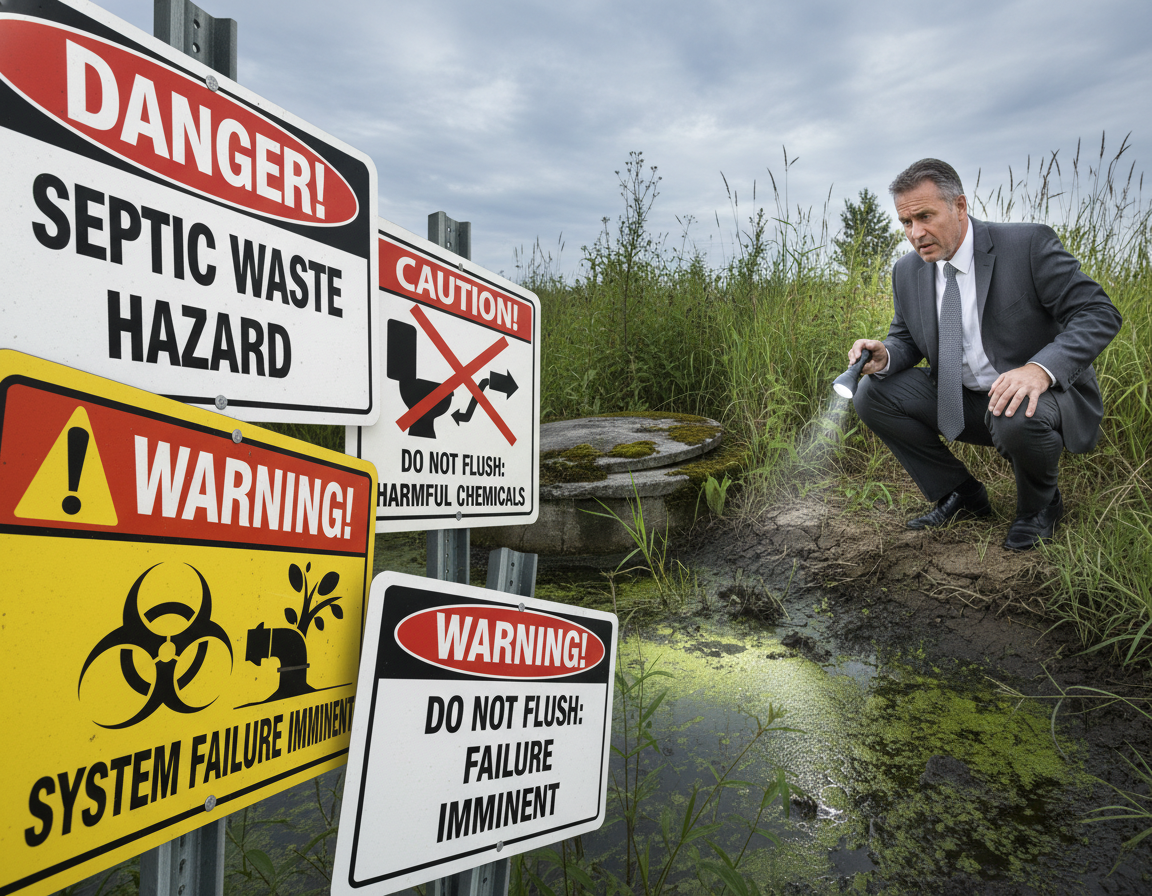
Even worse, untreated sewage can flow back into tubs, commodes, and basins. Foul odors frequently invade both interiors and outdoor yard areas, indicating a severe public health concern.
Pooling, unsanitary water may appear on the grass above the drainage field. This sight signals complete failure and demands immediate professional intervention.
The financial contrast between regular maintenance and emergency response is stark. A scheduled maintenance visit from a company like Septic Services of LA represents a foreseeable, affordable cost.
Urgent fixes for a failed system, on the other hand, can escalate quickly. Fixing a compromised drain field frequently runs between $5,000 and $15,000, depending on the severity and local soil conditions.
In extreme cases, total renewal of the entire wastewater treatment setup might be necessary. This massive undertaking typically ranges from $20,000 to over $50,000, covering digging, new components, and landscape restoration.
This cost avoidance strategy makes routine care among the most prudent investments a property owner can choose. It transforms a possible disaster into a planned, manageable cost.
Protecting Your Property Value And The Environment
A properly functioning disposal system is a major value point during every real estate transaction. Potential purchasers and professional inspectors carefully inspect this vital home component.
Records of regular, expert service provides compelling evidence of good care. It tells future owners that the property’s septic system will not turn into their immediate, expensive problem.
Conversely, evidence of poor care or existing problems can derail transactions completely or compel huge discounts. Few purchasers wants to take on a looming environmental and financial liability.
Preventative maintenance protects not only your property’s marketability but also the environment. It’s the sign of informed, responsible stewardship.
Protecting nature represents another compelling reason for careful maintenance. A healthy tank effectively treats home wastewater, eliminating dangerous pathogens and nutrients prior to discharging water back into the ground.
An overflowing tank creates serious contamination risks. It can contaminate local groundwater, wells, and streams and lakes, causing safety risks and breaking environmental laws.
Regular servicing ensures the bacterial action within the container operates optimally. Doing so allows for the decomposition of waste and proper filtration via the ground.
Establishing a connection with a reputable company such as Septic Services of LA ensures this vital task is performed properly. Their skill ensures that sludge is pumped and disposed of following all environmental guidelines.
Concrete wastewater systems, when properly maintained, can remain functional for four decades plus. This longevity depends entirely on a regular routine of professional inspection and required pumping.
The frequency of required attention varies, but a rule of thumb suggests pumping every 3-5 years for most homes. Family size, water use habits, and system size all influence this schedule, which will be detailed in the next section.
In the end, the scheduled, predictable nature of routine care offers assurance. It contrasts sharply to the money blow and health crisis of a total system collapse, making it an essential practice for every homeowner.
Determining The Right Pumping Frequency
A personalized approach to wastewater system care moves beyond standard rules to meet specific household needs. The frequency of required service is not one-size-fits-all.
Understanding the variables that affect this schedule helps homeowners develop an effective maintenance plan. Doing this prevents both unnecessary expenses and possible breakdowns.
The Three To Five Year Recommendation
The EPA offers a baseline rule for home septic tanks. They suggest an yearly check-up and a full pump-out about every 3-5 years.
This interval acts as a reliable benchmark for most houses. A typical 1,000-gallon unit serving a four-person family usually falls within this timeframe.
The inspection is vital for assessing the system’s health between pump-outs. It can identify minor issues before they grow into major plumbing problems.
Following this standard aids in maintain the bacterial action that breaks down sewage. It guarantees sludge do not overflow into the drain field, which can cause expensive environmental issues.
The table below connects common household sizes and system capacities with suggested service intervals. These figures assume average usage and no garbage disposal unit.
| Household Size | System Size (Gals) | Recommended Service Frequency |
|---|---|---|
| 1 person | 1,000 | Every 5 years |
| 2 people | 1,000 | Every 5 years |
| 3 people | 1,000 | Every 3-4 years |
| 4 people | 1,000 | Every 2-3 years |
| 5 people | 1,250 | Every 2 years |
| 6+ people | 1,500 | Every 1-2 years |
Using the EPA’s 3-5 year rule as a benchmark permits property owners to build a tailored plan that fits their real habits, rather than a generic guess.
Usage Habits And Family Size Impact
Various critical factors can significantly accelerate the accumulation of solids in a wastewater system. These elements may necessitate changes to the standard service timeline.
The main drivers include:
- Household Size: More people equals more water flowing into the tank and more waste to treat. A house with six residents will load its unit more quickly than a couple.
- Water Consumption: Habits such as long showers, washing clothes often, and daily dishwashing boost hydraulic loading. This action lowers the settling time within the tank.
- Garbage Disposal Use: Disposals introduce substantial food solids that don’t break down easily. Households with disposals might need annual attention to prevent premature system failure.
Conversely, certain conditions can securely prolong the time toward the five-year mark. Vacation properties occupied part-time experience much less stress on their wastewater infrastructure.
Homes with modern plumbing and careful usage likewise reduce the load. Modern commodes, fixtures, and front-loading washing machines create a measurable impact.
Additional factors involve the volume of soaps, cleaners, and products poured into the drain. Harsh products can disrupt the natural bacterial action needed for waste breakdown.
The most cost-effective strategy is to develop a custom plan based on your unique situation. Begin with the standard 3-5 year guideline, and modify based on your household’s specific patterns.
A expert check from Septic Services of LA can offer precise guidance. Their experts can measure sludge levels and suggest the best schedule for your home.
This proactive approach prevents both unnecessary service calls and the damaging consequences of overflowing. It signifies smart stewardship of an vital asset.
Recognizing The Signs Your Tank Needs Immediate Attention
The distinction between regular care and an emergency frequently lies in spotting early warning signs. Your underground wastewater infrastructure signals distress via specific symptoms inside and around your home.
Recognizing these signals allows for quick professional intervention. This prevents minor issues from escalating into massive, disasters.
Signs Within The House
Interior plumbing problems frequently offer the first clues of a backed-up tank. If several drains are affected simultaneously, the cause is likely the main system.
Slow-moving drains in showers, sinks, and bathtubs are a common red flag. Toilets that flush poorly or back up into the basin signal a major clog.
Residents might notice bubbling noises from drains when using the toilet or running water. These sounds indicate trapped air in the pipes due to a clog further down.
Foul sewage odors emanating from drains or the basement are a danger signal. This smell indicates that gases from a full unit are leaking back into the living space.
It is vital to differentiate a main line problem from a simple, single pipe block. A single slow sink is usually a pipe problem. Several slow drains point to the septic tank.
Outdoor Indicators Of Failure
The landscape above and around your leach field provides clear proof of tank status. Changes here often signal that the tank is overflowing and isn’t treating effluent.
Puddles or soggy, spongy ground above the leach zone is a serious issue. This saturation occurs when the ground can no longer absorb water from an full tank.
Unpleasant sewage smells in the lawn, especially near lids, are a clear sign. These odors mean waste is escaping and managed well underground.
Another telltale sign is inexplicably lush, thick lawn directly over the system. This occurs because escaping, fertilizing waste acts as a fertilizer.
Accumulated, dirty liquid on the grass is a definite sign of total breakdown. This event requires urgent action to prevent pollution.
If your yard becomes the sign of a problem, the window for routine care has passed. Urgent expert help is vital to save your land and the local environment.
The science behind these symptoms is simple. Standing water means the drain field is saturated and failing. Smells imply venting problems or that sewage is overflowing.
Lush grass is fed by the nitrogen and fertilizer in leaking sewage. Each symptom indicates a overwhelmed system that cannot perform its job.
| Full System Warning Signs | Single Fixture Problems |
|---|---|
| Slow drainage everywhere | One slow sink or toilet |
| Sewage odors from several drains | No odors |
| Bubbling noises in pipes | No noise |
| Wet spots in yard | Dry yard with no soggy spots |
| Green patches over tank | Uniform lawn health |
Overlooking these signs brings significant risk. It can lead to raw sewage flowing into bathrooms and cellars. This creates a severe health hazard and demands huge, expensive sanitation.
The consequences frequently necessitates more than just an emergency cleaning, but also expensive field restoration. The total expense goes way beyond the price of a regular maintenance.
At the first sign of these issues, contacting a expert is the smartest move. A company like Septic Services of LA can perform a thorough inspection.
The technicians will determine if the issue is a basic block or a full unit requiring urgent pumping. This quick response can stop a major environmental and plumbing emergency.
Recognizing these clues is a cornerstone of proactive system ownership. It changes emergency stress into controlled, smart choices for your home.
Selecting A Septic Service Provider: What To Look For
Finding a reliable partner for this necessary job requires a checklist of non-negotiable credentials and quality benchmarks. The right choice safeguards your property, ensures regulatory compliance, and provides long-term value.
This framework helps property owners evaluate companies systematically. It goes deeper than cost to assess skill, safety, and professionalism.
Required Licenses And Coverage
Verifying a provider’s status is the first and most critical step. This research protects you from liability and guarantees the job meets code.
Always ask for proof of a valid state contractor’s license for septic operations. This license proves the provider has passed examinations on installing, maintenance, and local laws.
Comprehensive insurance is non-negotiable. You must see proof for both liability and worker’s comp.
Liability insurance pays for any accidental damage to your property during the service. Worker’s compensation protects you if a worker is hurt on your land.
Reputable firms also possess licenses for waste dumping. They are required to transport and process pumped waste at legal sites, not dump it elsewhere.
The table below outlines the core documents to request and their importance for your protection.
| Document to Verify | Why It Matters |
|---|---|
| State License | Proves they are legally allowed to do the job. |
| Certificate of Liability Insurance | Protects your home and yard from accidental damage during the process. |
| Worker’s Comp | Protects you if a worker gets hurt. |
| Disposal Permit | Ensures waste is dumped legally. |
Assessing Honesty And Pricing
Once credentials are confirmed, assess the company’s practices. Transparency in talking and costs shows professionalism.
Obtain printed, itemized estimates from multiple companies. A detailed quote ought to show all potential charges.
Look for line items such as the standard charge, inspection costs, effluent filter cleaning, and any potential add-ons for hard-to-reach tanks. Doing this prevents surprise fees on the final bill.
Review the provider’s gear. Professional providers utilize specialized pump trucks designed for hazardous waste.
These vehicles, representing a major cost for the business, are essential for a complete, efficient job. They are definitely not standard trash pumps.
Investigate the company’s reputation carefully. Read customer feedback on the Better Business Bureau, Google, and industry sites.
Ask for referrals from locals who have used the company. A proven track record in business often correlates with trustworthy, consistent maintenance.
Lastly, get everything in writing. The service agreement should outline the scope of work, warranty terms, and the provider’s emergency response policy.
An upfront, clear estimate and a clear service agreement are the signs of a trustworthy provider. They show respect for the client and belief in their services.
Why Choose Septic Services Of LA
As an leader in the industry, Septic Services of LA meets and exceeds all points on this list. They embody the quality homeowners ought to look for.
Their team possesses every necessary California permits and disposal certifications. Insurance papers are shown promptly to every client for full transparency.
The company’s quoting process is meticulous and educational. They provide clear, written estimates that explain each charge, aiding clients understand exactly where their money goes.
Septic Services of LA uses a modern fleet of pumping vehicles. This professional equipment ensures the disposal task is finished quickly and safely, saving your leach field.
Their dedication to customer satisfaction is shown in excellent online reviews and word-of-mouth recommendations. They provide guarantees on their work and have a clear, plan for emergency issues.
Choosing a qualified professional like Septic Services of LA is an step in a job done correctly. It guarantees the maintenance protects your house, follows all regulations, and gives confidence for decades to follow.
The Septic Pumping Process Explained
Knowing the sequence of events during a professional maintenance visit helps alleviate uncertainty and readies property owners for the experience. This transparency transforms a necessary service from an mystery into a manageable, predictable event.
Residents feel better understanding what will happen on appointment day. They can ready their yard correctly and ask informed questions.
Preparing For The Technician
What you need to do prior to the truck shows up guarantee a seamless, efficient job. Proper preparation reduces wait times and extra fees.
First, find and flag your system’s access ports. They are usually covers in the yard, frequently near the home.
If covers are underground, uncover them before the appointment. Doing so cuts down on significant time for the pumping team.
Clean the zone around the ports of any clutter. Move cars, patio furniture, and children’s toys from the work zone.
Secure pets inside for their safety and to prevent problems during the job. Make sure gates are unlocked for truck entry.
Lastly, write down of any recent plumbing problems or unusual signs. Share this information to the technician when they get there.
The table below outlines the duties for a standard maintenance call.
| Your Job | Pro’s Job |
|---|---|
| Find and flag lids | Verify system location and layout |
| Clear the work area of obstacles | Set up safety equipment and barriers |
| Secure pets and provide access | Operate specialized vacuum equipment |
| Note any recent system issues | Perform comprehensive system inspection |
| Be ready to talk | Give a report |
The Pumping Procedure
When they arrive, certified technicians from a company like Septic Services of LA begin a routine procedure. This guarantees careful service to your septic system.
The operator first checks the location and uncovers the tank lids if not already done. They then hook up powerful vacuum equipment to the tank.
A suction line from a dedicated truck-mounted system is inserted. This machine extracts all contents in layers.
The vacuum extracts scum, effluent, and sludge totally. The job typically takes 2-3 hours for standard-sized houses.
Larger systems or those with access difficulties might require additional time. The worker watches the flow to ensure total emptying.
A pump-out is not just cleaning—it’s a complete health assessment of your home’s wastewater treatment infrastructure.
Following evacuation, a careful check is conducted. The technician looks at the interior for cracks, damage, and baffles.
Effluent filters are washed if present. The drain bed is assessed for any issues or saturation signs.
All removed waste is hauled in sealed trucks to legal dump sites. These facilities work under EPA rules.
Documentation records the waste from your property to final disposal. This tracking guarantees adherence to laws.
The service concludes with a full report for the homeowner. Technicians note the system’s condition and map future maintenance needs.
Suggestions for needed fixes are given. An suggested time for the next service is proposed based on size and use.
This thorough method by professionals like Septic Services of LA builds trust. Homeowners see the value in systematic, regulated maintenance.
Understanding this process empowers better care for your home. It transforms a necessary service into an informed partnership for long-term system health.
Smart Maintenance Tips To Extend Time Between Pump-Outs
Simple adjustments to household routines provide a great way for minimizing maintenance frequency and expenses. Daily habits affect the health and efficiency of your underground wastewater treatment infrastructure.
These proactive measures work with professional attention from experts like Septic Services of LA. Together, they form a comprehensive approach to system stewardship.
Using these practices lowers stress on your home septic. This lengthens the time separating pump-outs and saves your money.
Saving Water And Reducing Load
Managing hydraulic load is key for any septic tank. Too much water overwhelms the tank and accelerates sludge buildup.
Begin by fixing all plumbing leaks immediately. A constantly running toilet can waste huge amounts of water daily, dramatically reducing service intervals.
Use low-flow devices in the house. Efficient shower heads, faucet aerators, and high-efficiency toilets greatly lower water usage going into the tank.
Spread out water-intensive activities over the week. Avoid doing multiple laundry loads back-to-back, as this overloads the leach field with more effluent than it can absorb.
Limit use of garbage disposal units whenever possible. These appliances grind scraps into sludge that increase waste load in the wastewater stream.
Composting food waste provides a better option. This practice keeps organic solids from entering your plumbing while making nutrient-rich soil amendment for plants.
Items To Keep Out Of Your Septic
Your home’s wastewater treatment relies on natural bacterial action. Some items hurt this bacterial cycle or create clogs.
Only human waste and TP should go into commodes. These things dissolve easily in the anaerobic environment of your septic.
Don’t flush any plastic items. This includes so-called “flushable” wipes, feminine hygiene items, paper towels, and dental floss.
These items do not decompose like toilet paper. They accumulate, forming clumps that clog lines, motors, and leach pipes.
Don’t dump cooking fats, oils, or grease down kitchen drains. These liquids harden in drains and inside the treatment container, causing impenetrable blockages.
Strong cleaners represent a big danger. Paints, poisons, solvents, and excessive bleach destroy the essential bacteria that eat sewage.
Even common household cleaners should be used carefully. Opt for bio-friendly cleaners that maintain the bacteria within your system.
| Item to Avoid | Why Avoid It | Potential Consequence |
|---|---|---|
| Wet wipes | Do not break down; form dense rags | Clogs pipes, pumps, and distribution lines |
| Cooking grease and oils | Hardens like rock | Clogs the tank |
| Harsh chemicals (bleach, paint) | Kill essential waste-digesting bacteria | Stops the system working |
| Feminine hygiene products | Expand and do not decompose | Blocks inlet/outlet pipes; requires emergency service |
| Pills/Drugs | Disrupt bacterial balance; contaminate groundwater | Pollutes nature |
| Coffee grounds | Accumulate as dense sludge layer | Fills tank fast |
External care of your land additionally supports system longevity. Avoid putting heavy vehicles on top of the drain field area.
This crushes the dirt, reducing its capacity to soak up and clean treated effluent. Plant trees and shrubs away from underground lines to stop roots growing in.
Direct downspouts and surface runoff clear of the absorption field. Too much rain from storms can flood the dirt, impairing its treatment capacity.
Being careful about what goes down your drains is the best protection for your wastewater system. Along with professional service, it builds a long-term plan.
These tips directly correlate with extending the time separating professional pump-outs. Reduced water inflow and correct flushing slow the buildup of sludge.
This practice decreases the frequency of required maintenance visits, cutting costs over the system’s lifespan. It additionally minimizes stress on all parts, from pipes to the drain field.
Adopting these tips represents smart, proactive ownership. Together with regular checks and service from Septic Services of LA, you get dependable service.
This combination of careful habits and expert service ensures your septic system works well for years. It turns routine care into a valuable investment in your home’s health and value.
Conclusion
A small amount spent on regular maintenance can stop massive repair costs. This article demonstrates that understanding your wastewater system’s needs is key to saving money.
The typical cost of $290 to $560 is a prudent investment. It safeguards against breakdowns that might cost a fortune to fix.
Establish a proactive schedule according to your household’s size and habits. Partner with a licensed pro like Septic Services of LA for safe, compliant disposal.
This method protects your home’s worth and the nature. It guarantees good operation for years.
Take informed action today. Book a check-up, obtain quotes, and start daily care tips for a healthy septic system.
Related: Local Septic Repair Experts